The Inside Is Not an Afterthought
Every garment has a public face. Cut, color, silhouette. This is what the world reads. But beneath that surface lives another language, one that does not perform. The lining.
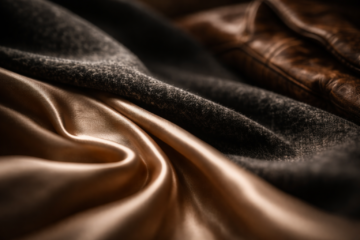
Linings are not decoration. They are intent made private. They touch the body before the world ever does. While the exterior negotiates with others, the lining negotiates with the self.
This is where duality begins. Not as contradiction, but as layering. What is shown and what is known. What is legible and what is reserved. The lining exists to be unseen, and yet it is never incidental.
You choose it knowing most will never notice. That choice matters.
Identity, Folded Inward
Outward identity is a statement. Inward identity is a condition.
The lining holds the truth of how something is meant to be worn. It dictates comfort, temperature, movement. It absorbs friction. It carries weight quietly. In doing so, it shapes behavior without announcing itself.
This is how internal identity works. It does not speak loudly. It governs posture, restraint, patience. The lining does not seek recognition, yet it is responsible for endurance.
Many garments fail not because they look wrong, but because they feel wrong from the inside. The same is true of roles we perform. When the interior is neglected, the exterior eventually collapses.
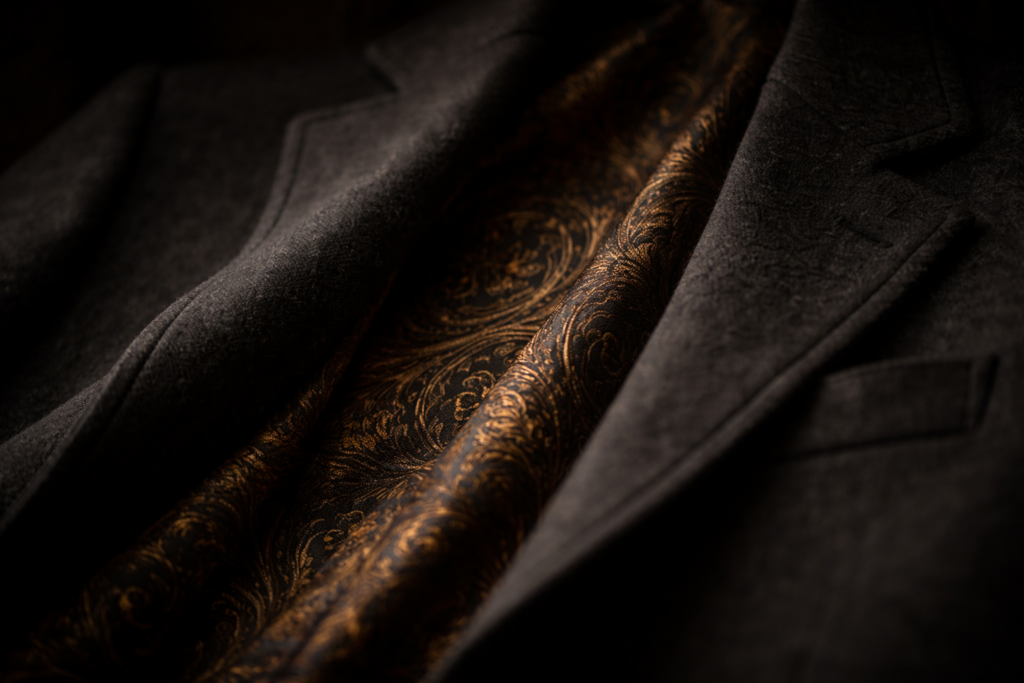
Patterns Reserved for the Initiated
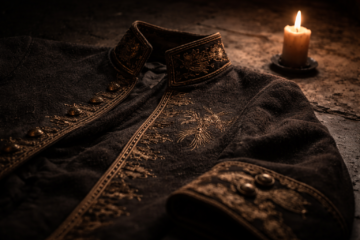
Historically, linings carried symbols, colors, and patterns never meant for public view. Marks of allegiance. Signals of rank. Private jokes between maker and wearer.
This was not secrecy for secrecy’s sake. It was containment. Knowledge placed where it could not be easily copied or misused. A reminder that not all meaning should circulate freely.
The initiated did not need to ask. They knew where to look.
Even now, a patterned lining inside an otherwise austere garment suggests intention. It tells a quiet story of complexity beneath control. Of excess carefully restrained.
Not everything that matters benefits from exposure.
The Psychological Weight of the Hidden
What we keep unseen carries weight. Sometimes more than what we display.
The lining is a constant, tactile reminder of interiority. When you move, it moves with you. When you sit, it settles first. It becomes part of your bodily awareness.
This is why hidden details matter psychologically. They anchor identity inward. They create continuity between private and public selves without forcing them to merge.
In a culture that rewards constant visibility, the lining offers resistance. It says: some things are not for consumption. Some things are for alignment.
This restraint is not withdrawal. It is discipline.
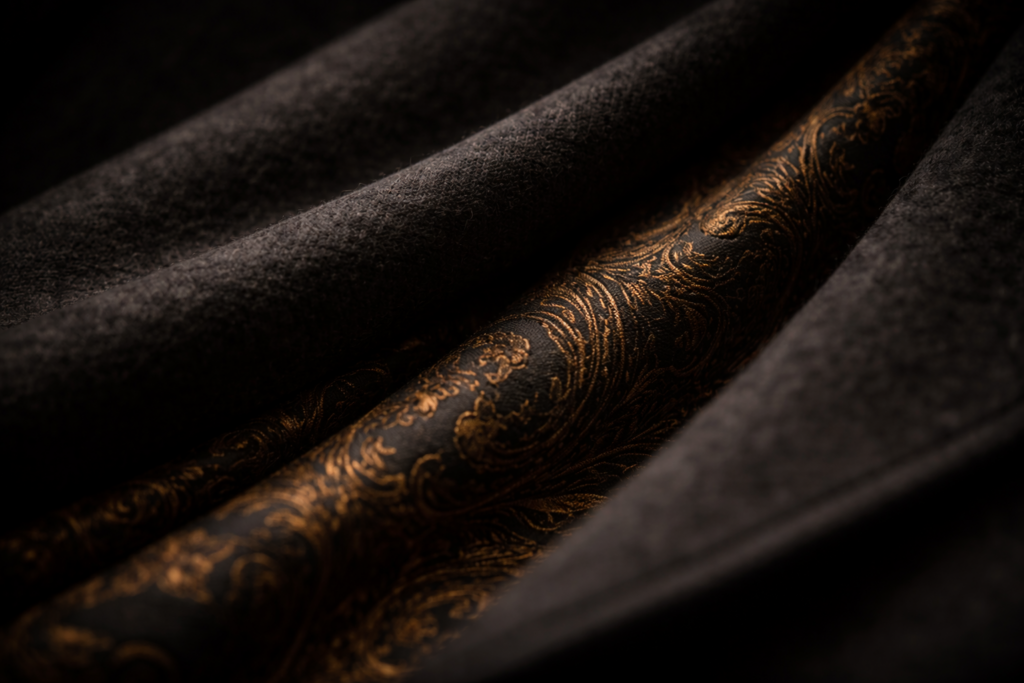
Duality Without Hypocrisy
Duality is often misunderstood as deception. As if having an inner life separate from outer presentation is dishonest.
In reality, duality is functional. The lining exists precisely because the exterior cannot do everything. One protects. One expresses. One absorbs. One projects.
There is no conflict here. Only division of labor.
A garment with no lining exposes its seams. A person with no interior exposes their reactions. Both wear out quickly.
Integrity is not sameness. It is coherence between layers.
Wearing the Secret
To wear a lining with intention is to accept that some meanings are not meant to be translated.
You do not explain it. You do not point it out. You allow it to do its work quietly. Comforting. Stabilizing. Reminding you who the garment is really for.
This is where ritual returns to dress. The moment you put something on and feel the lining against your skin, you are reminded that the act is not complete until the inside agrees.
The world may never see it. That is the point.
Some truths function best when they remain close to the body.
Unadvertised. Unshared. Uncompromised.